
February 14, 2025

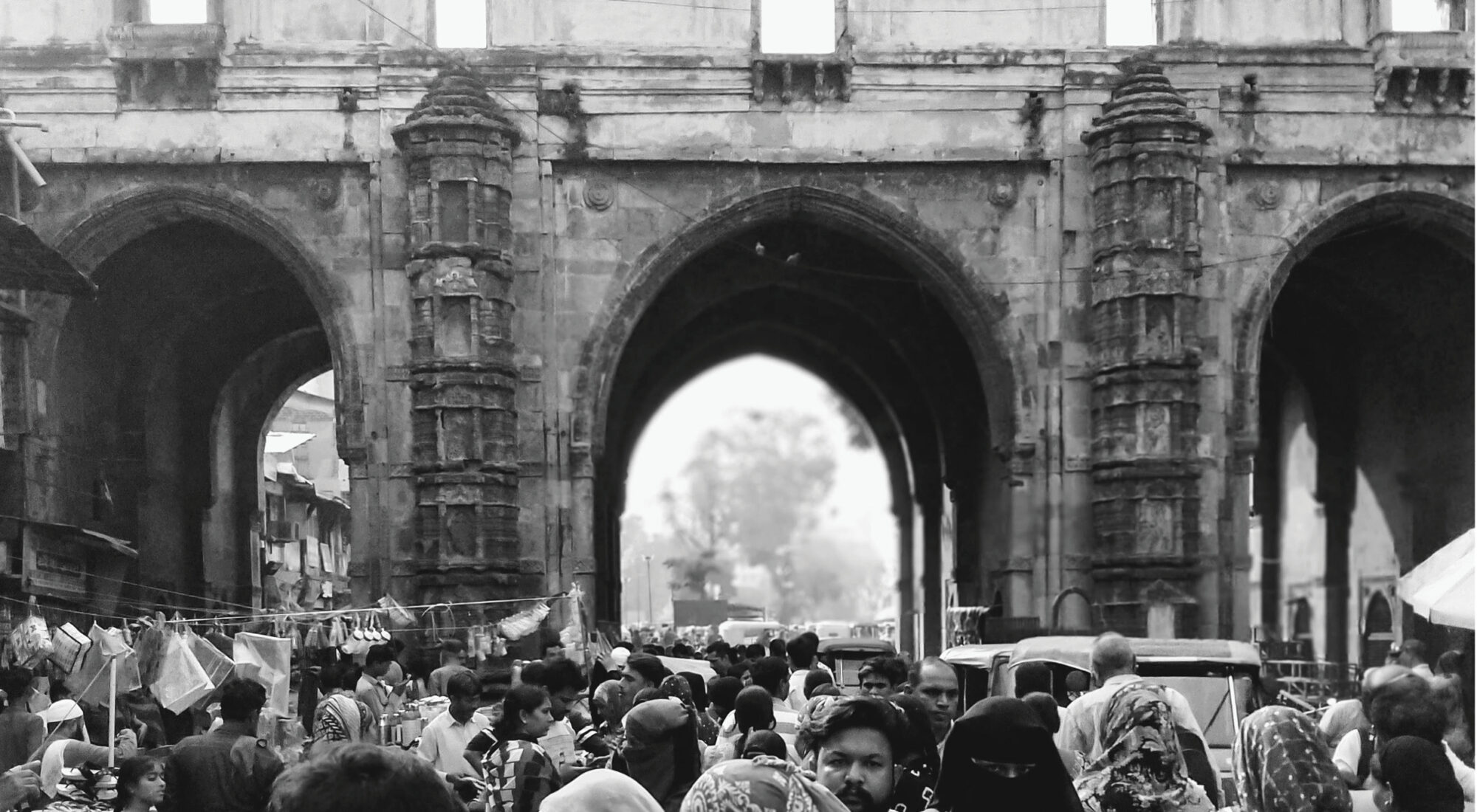
How India’s Streets Shape Careers Written By: Tanvee Shukla  India, a land of vibrant contrasts, pulsates with life on its bustling streets. Beyond the chaos, however, lies a unique crucible for human potential. For many, the streets have not been just avenues of transit, but rather, unconventional classrooms where resilience, creativity, and resourcefulness are honed.In a country as diverse and vibrant as India, the streets are more than just pathways from one place to another. They are the heartbeat of the nation, where every corner tells a story of struggle, hustle, and passion. For many, the streets serve as the first classroom, teaching them invaluable lessons in survival, perseverance, and adaptability.  These lessons have helped shape successful careers in a variety of fields, turning the lessons of the street into stepping stones for professional achievement. From entrepreneurs to artists, India’s streets have nurtured some of the brightest minds in the country. Take, for instance, the inspiring journey of Vishal Gupta, who grew up selling newspapers in the busy streets of Delhi. From humble beginnings, he realized early on that the street smartness he developed from hustling daily helped him navigate the corporate world. With an eye for opportunity and a relentless work ethic, Gupta went on to become a successful entrepreneur and later a renowned business coach. His experience on the streets taught him more than just business—it taught him the power of persistence, self-reliance, and the importance of seizing the moment.  Similarly, Bharati Borkar, a fashion designer hailing from Mumbai, has often shared how she was inspired by the vibrant street markets of the city. From the colorful sarees in Chor Bazaar to the trendy streetwear at Linking Road, the street culture played a huge role in shaping her unique fashion sense. By merging the rich cultural heritage of India with contemporary designs, Borkar’s creations now reflect the pulse of India’s streets, and her success proves that style often begins on the streets. Her ability to tap into grassroots fashion trends has allowed her to stand out in the crowded world of fashion design. Street food vendors, too, have been the unsung heroes of entrepreneurial success stories. Consider Bikram Singh, a street food vendor in Chandigarh who started by selling a small variety of local snacks. His delicious chole bhature soon became the talk of the town, and he expanded his operation from a small stall to a bustling restaurant chain with multiple locations. Singh attributes his success to his years of observing customer preferences and perfecting his recipes based on direct feedback from the streets. Customer-centricity, something he learned from daily interactions, remains at the core of his business philosophy.  The arts scene is no different. Many renowned street artists and performers across India trace their passion back to the streets. Raghu Dixit, a popular folk singer and music producer, often speaks about the influence of street performances on his creative journey. Performing on street corners and local venues in Bangalore, Dixit learned the art of engaging with an audience, drawing from the raw energy of the streets and infusing it into his music. His success story shows how the streets can serve as an experimental playground, where raw talent meets real-time feedback, creating innovative, homegrown art. It’s not just the urban streets that serve as incubators for professional growth. In rural India, the streets are no less influential. Many rural professionals in agriculture and craftsmanship have honed their skills from observing how traditional crafts and farming techniques are passed down from one generation to the next. The indigenous artisans of Rajasthan, for example, have transformed their traditional skills into high-end, export-quality goods, tapping into the global market. These artisans learned from the rhythms of rural life and have built sustainable businesses by focusing on authenticity and craftsmanship.  The streets of India have proven to be fertile ground for professional growth, nurturing a variety of careers across sectors. Whether it’s the hustle of street vendors, the creativity of street artists, or the business acumen learned in the markets, the streets have always been more than just a place to walk, they are a place of learning, growth, and innovation. Success often begins where the pavement ends, and India’s streets continue to inspire and shape the careers of tomorrow.   
February 2, 2025

– From India’s Streets Written By: Diya Madan  When you think of entrepreneurship, you might imagine Silicon Valley startups with cutting-edge technology and sleek offices. But look closer, and you’ll see some of the most resourceful entrepreneurs in the bustling markets, narrow alleys, and vibrant streets of India. India’s street vendors, with their modest setups, provide valuable lessons on adaptability, innovation, and resilience which are core principles of entrepreneurship. Their “school” has no textbooks but is packed with practical wisdom that even seasoned CEOs could learn from. Take a stroll through your local streets, and you’ll witness vendors selling everything from piping-hot chai to hand-stitched garments and homemade snacks. Operating with razor-thin margins and fierce competition, they have no choice but to embrace ingenuity and efficiency. How do they survive, let alone thrive? The answers are surprisingly universal and deeply inspiring. The first and most striking lesson street vendors teach us is resourcefulness. Many of these micro-entrepreneurs operate on minimal capital. With little more than a pushcart or a makeshift stall, they manage to create a consistent income stream. Their ability to innovate within constraints is a reminder that great businesses don’t necessarily start with lavish investments. A vegetable seller who recalibrates prices based on foot traffic or uses mobile payment apps to increase sales demonstrates how creativity can unlock hidden opportunities. Next comes their understanding of customer psychology. Street vendors are natural psychologists, mastering the art of the pitch. Their keen awareness of human behavior allows them to adapt their approach based on who’s standing in front of them. A fruit vendor might offer free tastings to hesitant customers, while a snack seller strategically positions themselves near busy offices during lunchtime rush hours. The takeaway? Knowing your customer intimately and tailoring your product or service to their needs isn’t just good practice, it’s survival. Adaptability is another hallmark of street vendors. The weather changes, foot traffic fluctuates, and festivals come and go, but they don’t stop. Many street vendors tweak their inventory in real-time to cater to seasonal or cultural shifts. For instance, during mango season, a fruit seller might forego regular offerings to focus solely on showcasing the king of fruits. They remind us that pivoting is not just an occasional business strategy; it’s a constant reality. India’s street vendors also model exceptional risk management. Operating without a safety net, they are masters at calculating how much inventory to carry, how far credit can stretch, and how to mitigate loss. This innate understanding of cash flow and margins is something even larger businesses struggle with. Observing how they make quick yet calculated decisions teaches budding entrepreneurs the importance of financial discipline and the value of quick thinking. Perhaps the most heartwarming lesson lies in their relationship-building skills. Street vendors cultivate trust and loyalty through friendly banter, fair pricing, and familiarity. Whether it’s the vegetable seller who greets you with a smile every morning or the chai vendor who remembers your exact sugar preference, these small gestures create emotional connections. In the era of e-commerce and automation, businesses can learn to humanize their operations and foster authentic relationships with customers. Finally, street vendors showcase unmatched resilience. Faced with daily uncertainties, whether it’s law enforcement crackdowns, inflation, or competition, they show up. Their grit and determination remind us that success is not just about ideas; it’s about perseverance. So, what can we, as aspiring or seasoned entrepreneurs, take away? The bustling bazaars of India whisper truths about hustle, courage, and creativity every single day. While street vendors may not have MBAs or investment portfolios, they run real-world businesses that thrive amidst chaos. They inspire us to innovate, build relationships, and never back down from challenges. Next time you walk past a street vendor, take a moment to notice more than just what’s on sale. Observe their grit, passion, and ingenuity. These unsung entrepreneurs are living proof that success isn’t about resources but resourcefulness, and that the street, as chaotic as it may seem, is one of the greatest classrooms for life and business.